DTU AUV Fleet
Our Bots
Autonomous Underwater Vehicles — Engineered at DTU
Autonomous Underwater Vehicles — Engineered at DTU
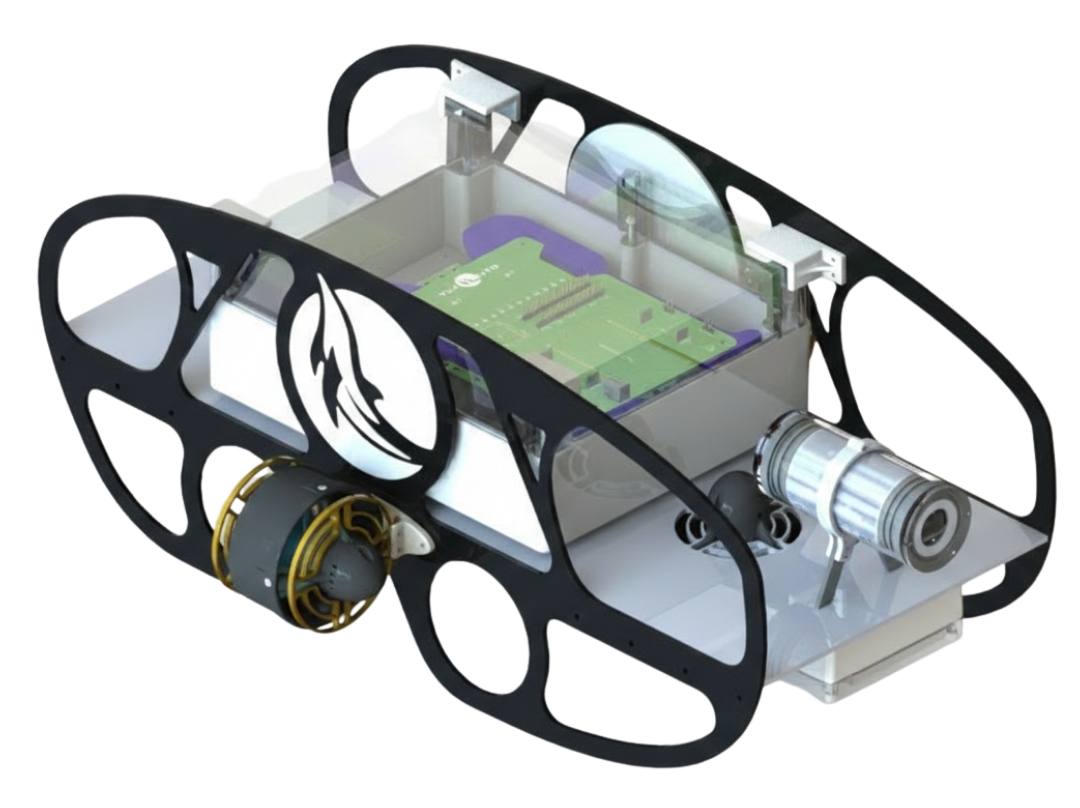
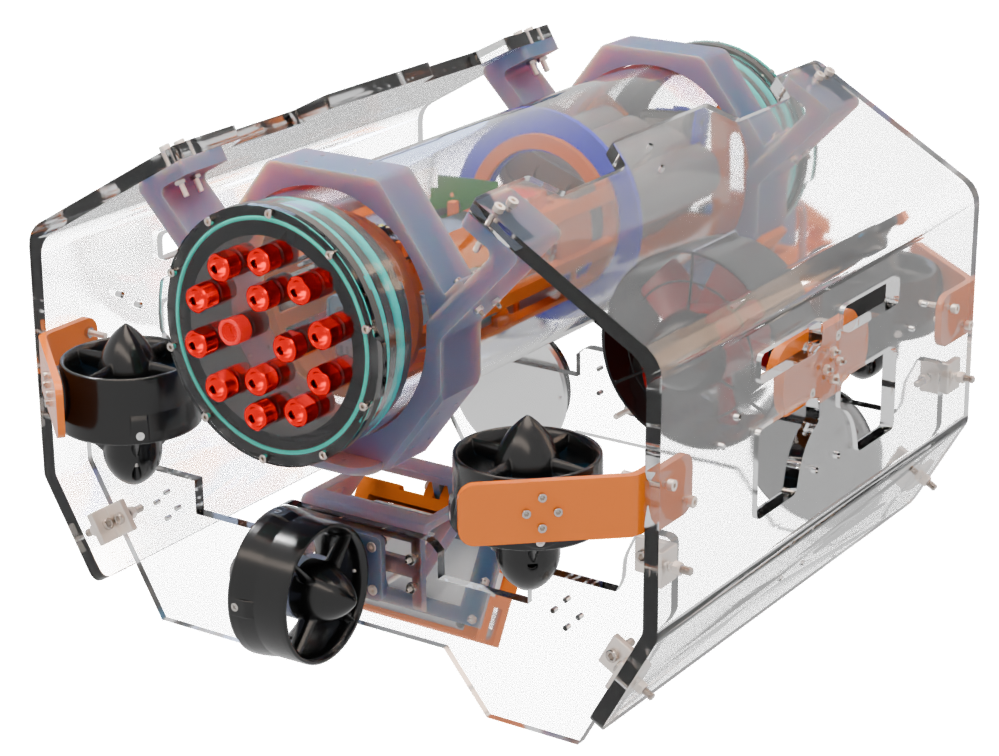
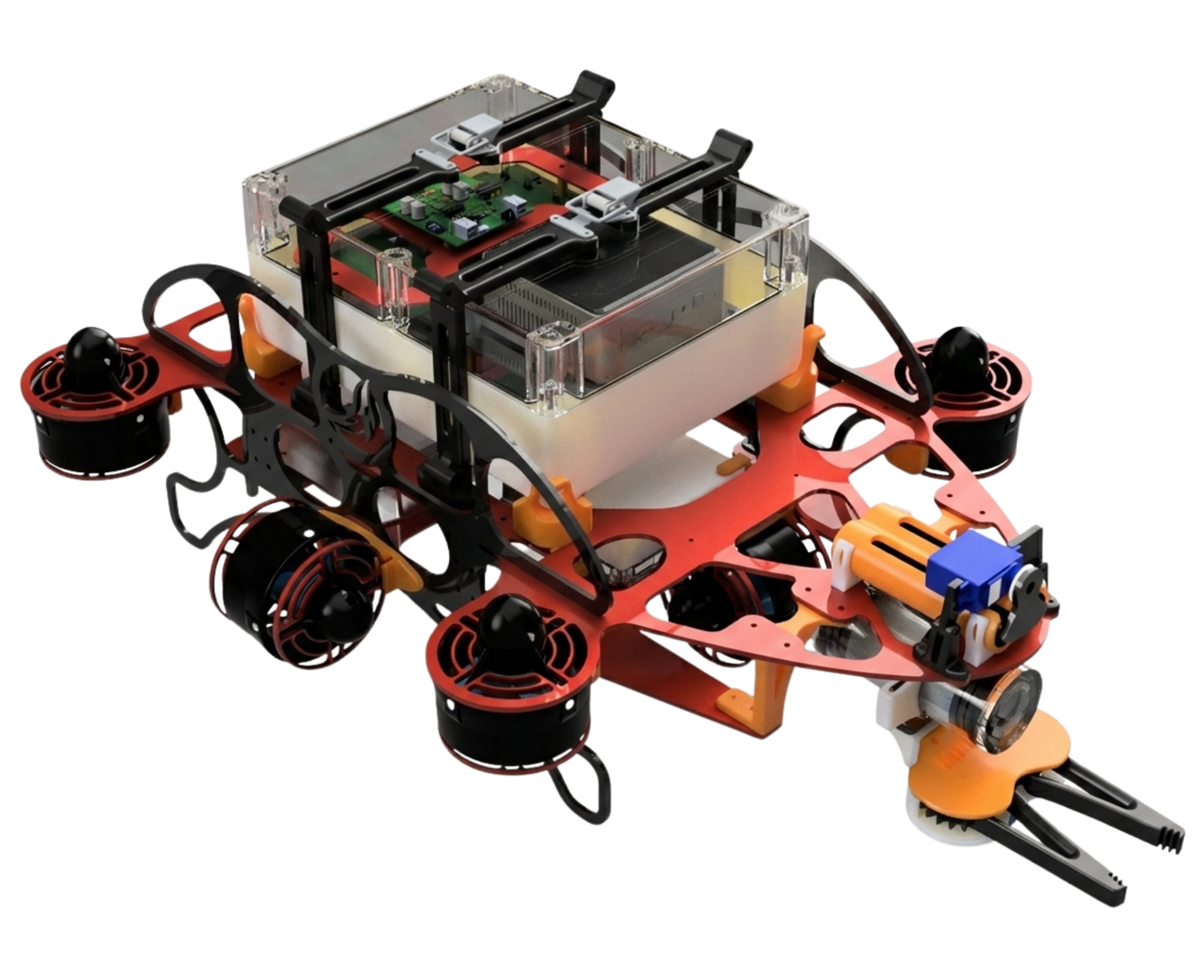
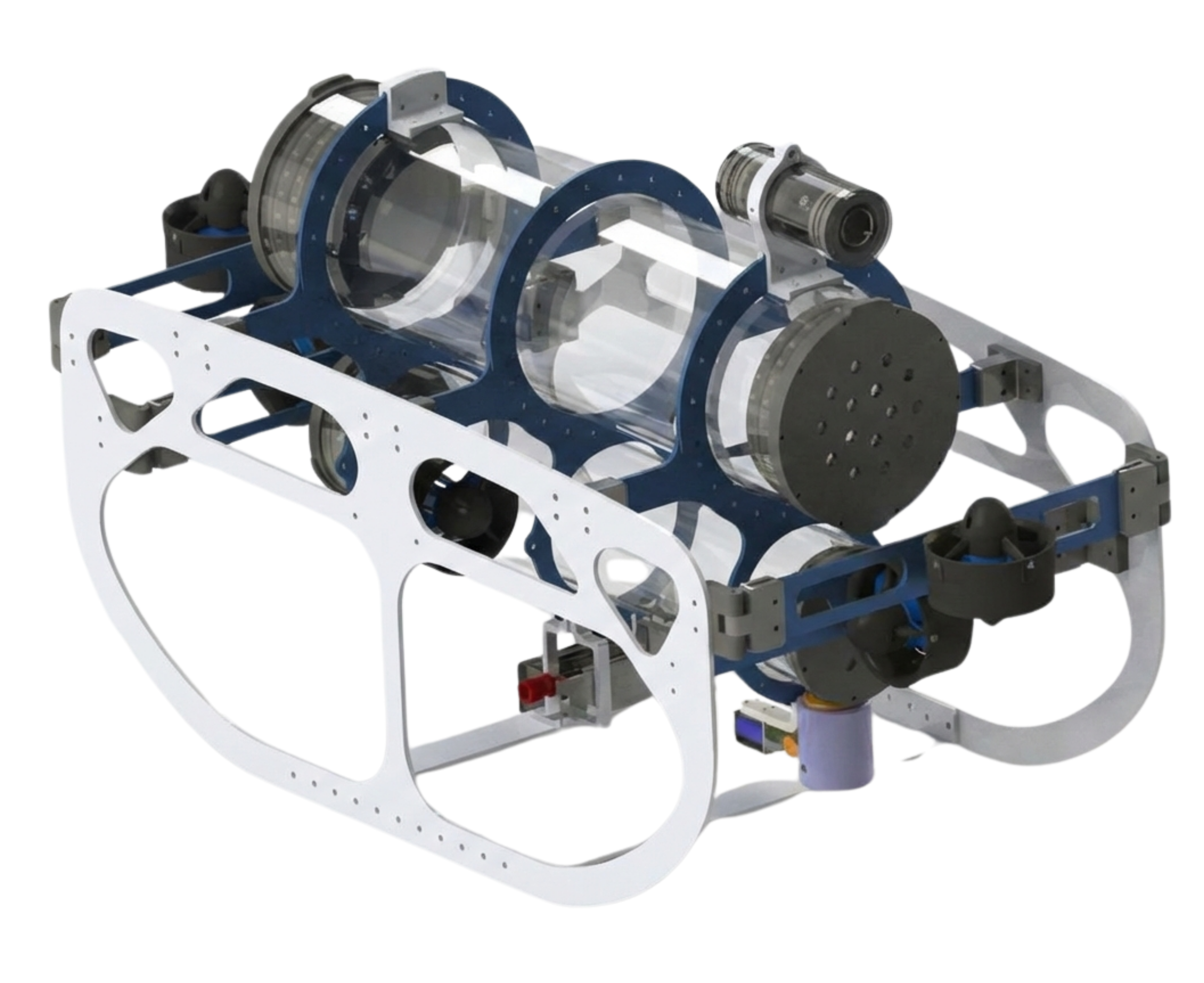
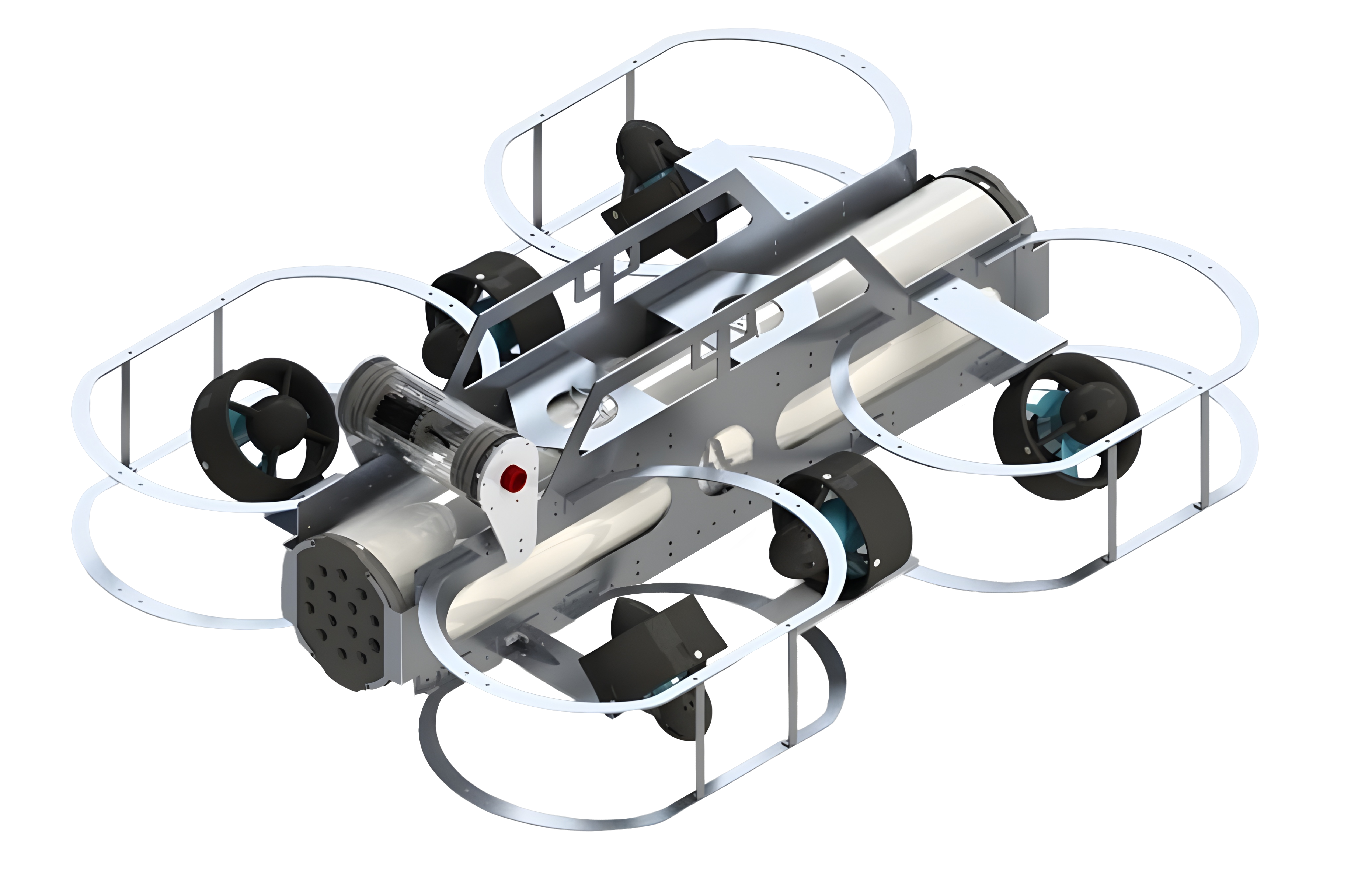
Designed and built by the DTU AUV team for underwater exploration, autonomous navigation, and robotics competition.
Design, build, and operate a Remotely Operated Underwater Vehicle for real-world subsea missions at Delhi Technological University.
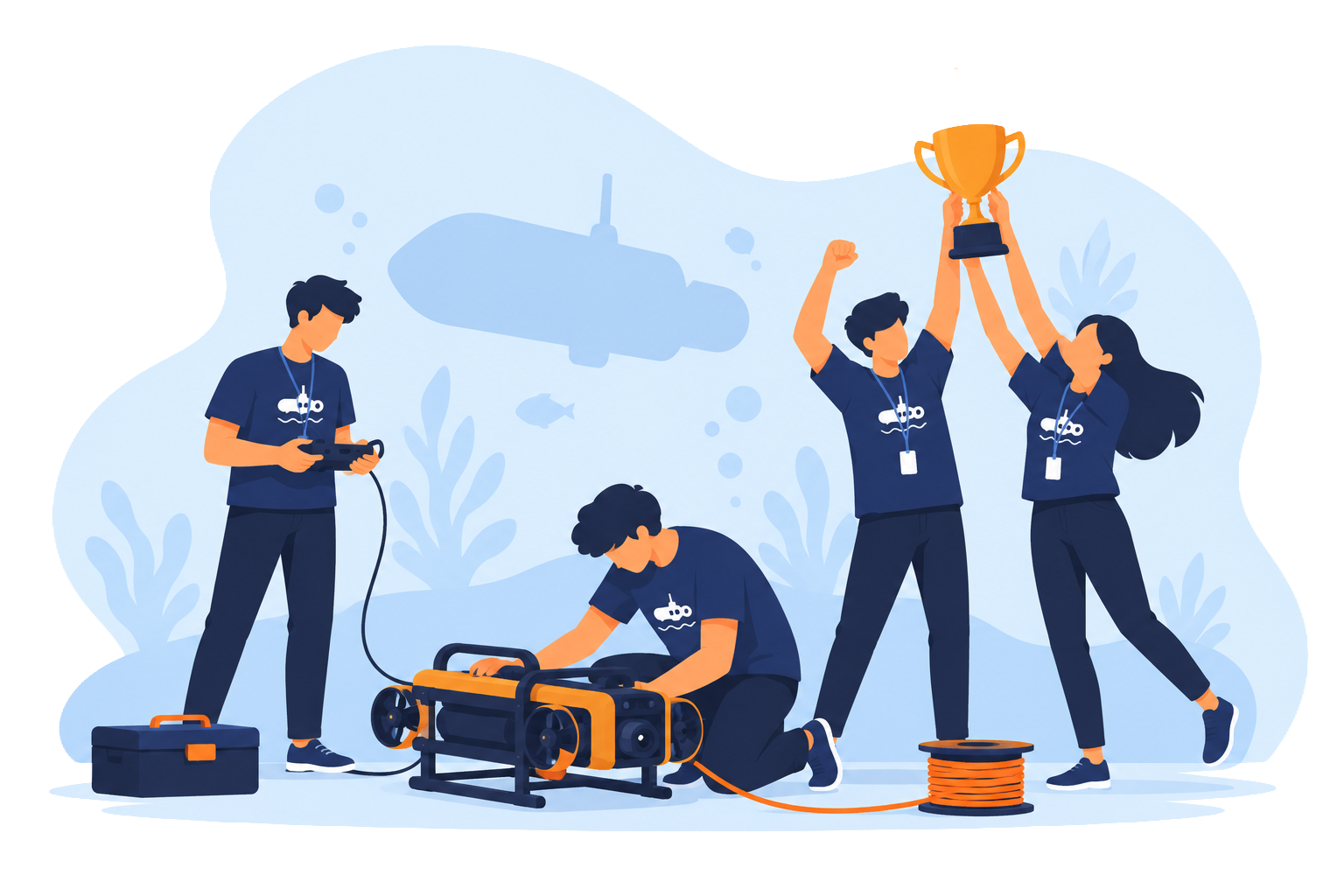
Teams bring a tethered ROV of their own design to a controlled pool course and run it through three missions: piloting, vision and navigation.
Pilot through submerged hoops while holding depth against current.
Find and track underwater markers on camera in murky water.
Work a path through the pool maze using acoustic and visual cues.
Every vehicle we build reflects our core principles — iterative design, rigorous testing, and relentless innovation.
Every component decision is backed by research papers, CFD simulations, and prototyping. We don't guess — we validate.
Each generation builds on lessons from the last. Failures become blueprints for breakthroughs.
Swappable subsystems mean faster debugging, easier upgrades, and parallel development across teams.
Pool tests, pressure tests, and simulation — every system is proven before it goes underwater.
The tools, frameworks, and hardware powering our autonomous vehicles.
Robotics middleware for autonomous control, sensor fusion, and inter-process communication.
Real-time underwater object detection and visual servoing for task execution.
NVIDIA Jetson for AI inference paired with STM32 microcontrollers for low-level motor & sensor control.
CAD modeling and FEA simulations for hull design, thruster mounts, and watertight enclosures.
Custom PCB design for power distribution boards, motor drivers, and sensor interface circuits.
Hydrophone arrays and DSP algorithms for underwater acoustic localization and pinger detection.